

"The highs and lows of falling in love—compelling."—The Times, London "If it is the mark of a good book that the essence of it lingers long after you have put it down, then Making Love is impressive. Poignant and written with an erotic charge, the narrator’s emptiness and inner loneliness still haunt me."—Anna Pasternak, Literary Review "Making Love charts the narrator’s own wild years with wit, charm, and sensuousness. Sex, drugs and rock n’ roll combine to paint a vivid picture of the recent past with tenderness and unsurpassed honesty."—Shena MacKay, Good Book Guide "Stewart’s first novel . . . is a picaresque tale of innumerable seductions in various locations. . . . The range of men who pass in and out of the text would make your eyes water."—The Guardian, London "The pleasures of reading about obsessive love that has no future are, of course, many. This is a swift, smart, sharply self-aware account of a woman who loves love, particularly in its more difficult and aggravating guises."—Joy Williams, author of The Quick and the Dead “Lucretia Stewart confronts a variety of issues including the death of a parent, a doomed love affair, and a women’s personal growth. In doing so, she forces us to face life as her herione experiences it, initially with hope, then despair, and ultimately with courage and realism.”—The Baltimore Review, 2004
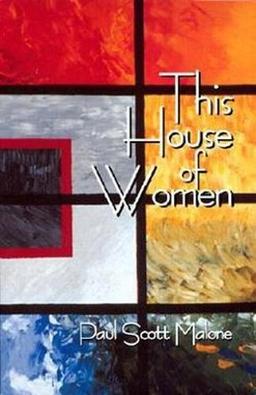
This House of Women opens in the small East Texas town of Karankawa. The year is 1942, and the United States has just entered World War II. Pregnant and alone, nineteen-year-old Hannah Hayward arrives in Karankawa in search of a better life. As her dreams and desires change, Hannah journeys from East Texas to the Big Bend region of far West Texas with her children, transforming houses and lives through her loving labor. In a richly layered novel that is both historical and genealogical, ""This House of Women"" follows Hannah and her family across the decades: through the postwar plenty of the 1950s, the perils of Vietnam, and the Texas oil boom and crisis of the 1980s. Texas emerges as a character in its own right. The cityscapes of Houston, the process of change over decades in towns and cities, the landscape of the Chihuahuan desertall figure into the narrative and add depth to Hannahs experiences as the reader follows her to places rendered with painterly richness. The story partakes of the Western mythology of starting over but from a distinctly female perspective. Ultimately, Hannah emerges as a pioneer driven by the fierce longing for something different. Hannahs flight is into connectedness, not isolation; and she takes the reader along on her often difficult but intimately told story. 'From the wooded roadside of Hannahs first journey to the sharp vastness of Alpines desert, Malone provides a sense of space and atmosphere that engages the reader and adds contour to the events and emotions that transpire in those particular places' - Ann Brigham.

2004
![Woody Allen and Philosophy: [You Mean My Whole Fallacy Is Wrong?]](/_next/image?url=https%3A%2F%2Fbookfellers-admin-assets-staging.s3.eu-west-2.amazonaws.com%2Fbook%2FimageSmall%2F9780812694536.jpg&w=256&q=75)
Fifteen philosophers representuing different schools of thought answer the question what is Woody Allen trying to say in his films? And why should anyone care? Focusing on different works and varied aspects of Allen's multifaceted output, these essays explore the philosophical undertones of Anne Hall, Crimes and Misdemeanors, Manhattan, A Midsummer Night's Sex Comedy and reminds us that just because the universe is meaningless and life is pointless is no reason to commit suicide.


![Woody Allen and Philosophy: [You Mean My Whole Fallacy Is Wrong?]](/_next/image?url=https%3A%2F%2Fbookfellers-admin-assets-staging.s3.eu-west-2.amazonaws.com%2Fbook%2FimageSmall%2F9780812694536.jpg&w=384&q=75)


